

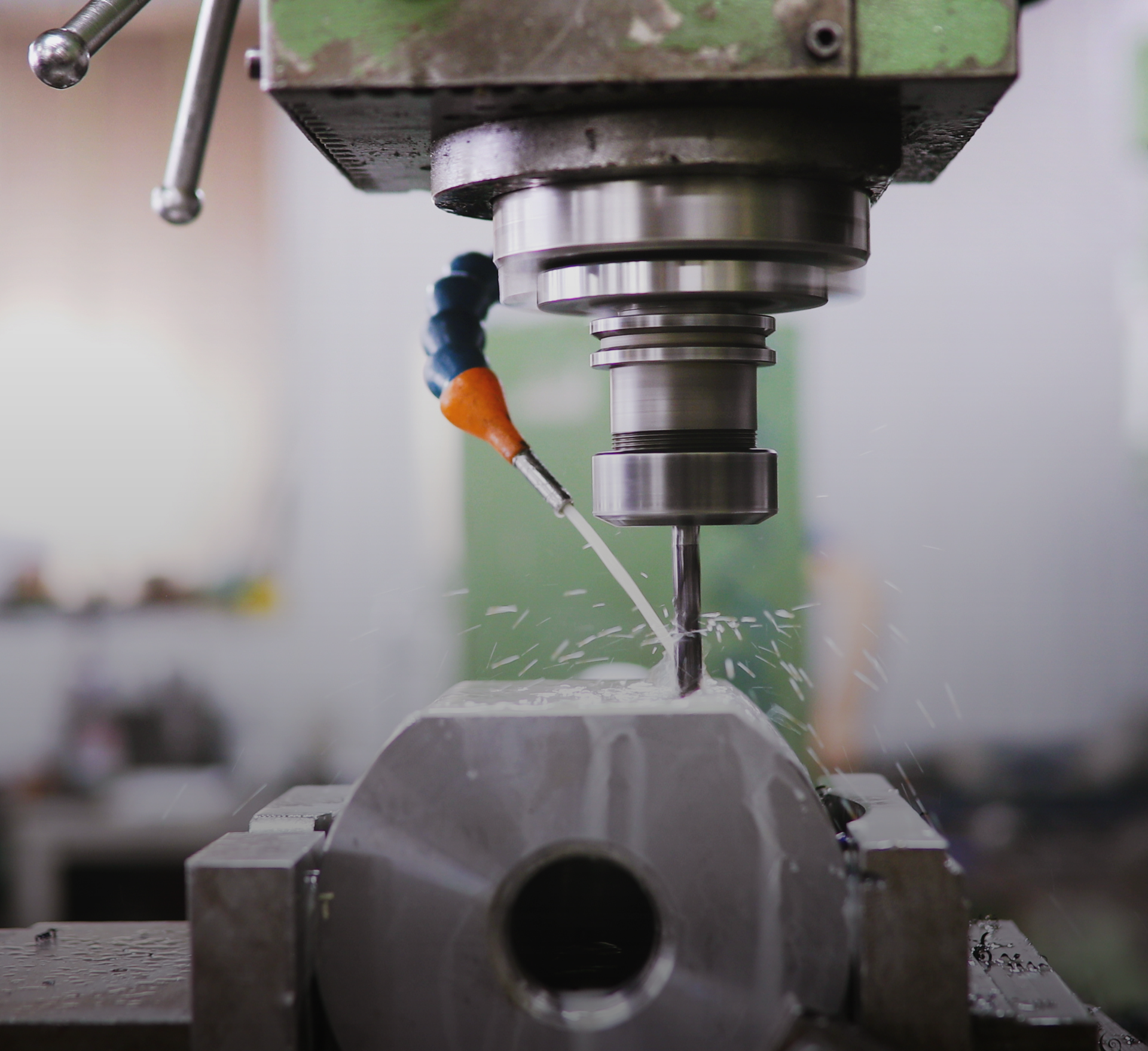
Precision is paramount in manufacturing. CNC drilling, a common machining operation, demands careful design considerations for optimal accuracy and efficiency. This article explores essential design tips to enhance the efficiency, quality, and reliability of CNC drilling, helping you ensure smooth operations and achieve desired outcomes.
What is CNC Drilling?
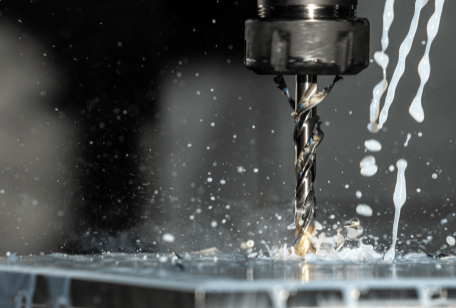
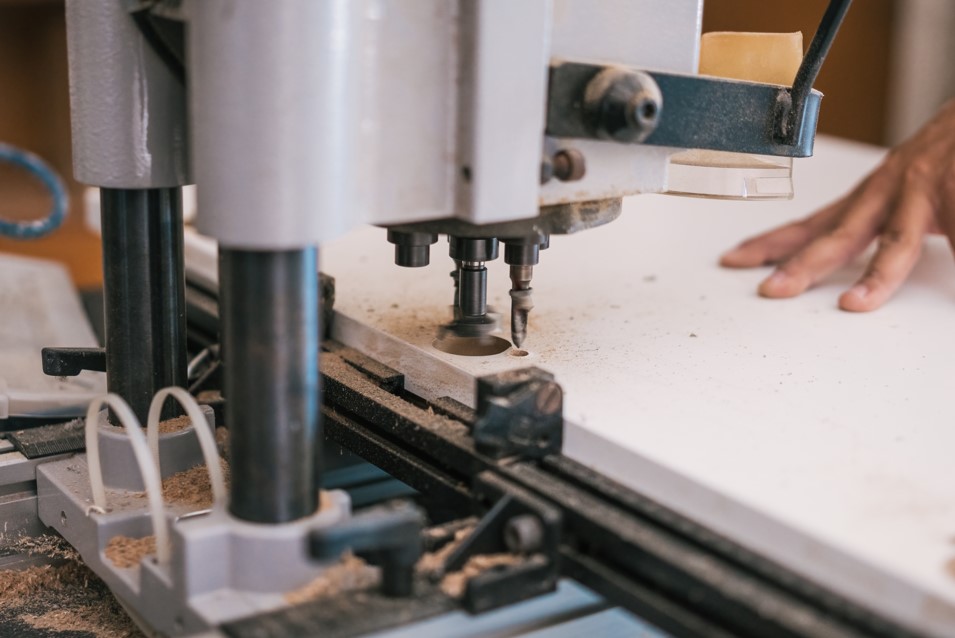
CNC drilling, short for Computer Numerical Control drilling, is a mechanical process that uses automated machinery to create precise holes in workpieces. The machines are programmed to follow specific instructions, guiding the drill bits to penetrate the material at exact locations, depths, and angles.
To optimize the CNC drilling process, designers must consider factors such as drill entry and exit surfaces, hole straightness, chip clearance, threaded product design, hole shape, and overall part layout. Each aspect contributes to the success of CNC drilling and affects the final quality and functionality of the workpiece.
Getting Started with CNC Drilling
Designing for CNC drilling is a delicate balance between technical know-how and practical application.
By following these general design tips and hole design considerations, you can optimize your manufacturing process, reducing the risk of errors, breakages, and unnecessary costs. Remember that while these tips are guidelines for best practices, each project comes with unique challenges. Strive for standardization but be ready to adapt as required.
Success in CNC drilling is as much about planning and design as it is about execution. If you’re unsure of anything, D2PCNC is here to help. You can upload your designs, get quotes for your parts and work with our experts to help ensure the success of your project. Ready to get started?
Key Feature: Diverse Range of Materials
CNC milling accommodates a wide range of materials, including metals and polymers, each offering unique properties such as strength, durability, heat resistance, and electrical conductivity. These materials can be tailored to meet specific application requirements.
This versatility allows you to select the most cost-effective material for your projects, ensuring optimal performance without compromising budget.